
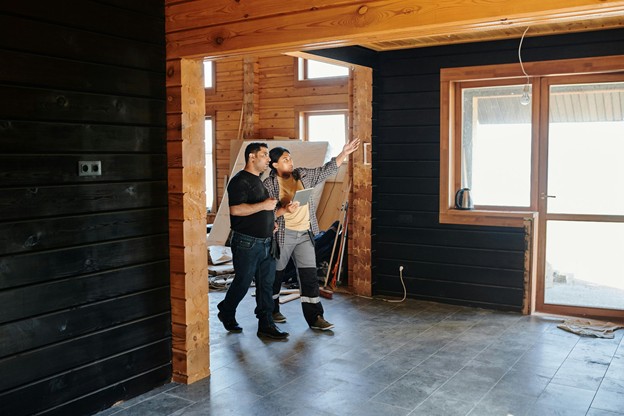
For South Jersey residents balancing work, family, and behavioral health needs, consistent self-care can feel out of reach when access to support is limited, stigma is real, and budgets are tight. The challenge is simple: most homes don’t have extra square footage for a gym, a recovery nook, and a calming retreat, yet mental and physical well-being still needs a place to land. A multipurpose wellness room created through thoughtful home remodeling for wellness can combine a fitness and recovery space with relaxation techniques in one area that’s easy to use and easy to return to baseline. One room can support healthier days at home.
Understanding Flexible Wellness Room Design
Flexible wellness room design means one space can serve different needs without feeling chaotic. The foundation is simple: create clear zones, make resetting the room quick, and reduce visual distractions so your brain can settle. Think of flexible space design as planning for movement, recovery, and quiet in the same footprint.
This matters because a space that stays easy to use is a space you actually return to on stressful days. Lower visual noise can also support mood and focus, since subjective clutter can shape how “safe” and restorative home feels.
Picture a weekday evening when you are tired and time is tight. A mat rolls out in one zone, a foam roller lives in a bin, and a chair by a soft lamp signals downshift. The room resets in two minutes, so habits stay consistent. With the concept clear, layout, storage, lighting, and materials can make the room switch modes smoothly.
Design the Room: Layout, Storage, Light, and Materials
A flexible wellness room works best when it’s easy to “reset” between movement, recovery, and rest. Use simple, repeatable design choices, layout, storage, lighting, and materials that reduce visual noise and lower the friction to start.
- Map three zones with tape (Movement, Recovery, Calm): Put painter’s tape on the floor and mark a movement zone (open rectangle), a recovery zone (mat/table area), and a calm zone (chair/cushion + small surface). Keep the movement zone closest to the door so you can walk in and start without rearranging the room. Leave a clear 30–36 inch path so you don’t feel cramped or “blocked,” which can matter on anxious days.
- Choose one “anchor wall” for equipment to protect your calm zone: Pick a single wall where everything lives (mirror, resistance bands, foam roller, small weights, etc) so the rest of the room stays visually quiet. If you can, place the calm zone facing away from the equipment wall (or use a folding screen/curtain) so your nervous system gets a clearer cue that it’s time to downshift.
- Build a two-minute reset with closed storage: Aim for storage you can shut (cabinet, lidded baskets, closet) rather than open shelves that keep gear in view. Sort items into three grab-and-go bins: “Move” (bands, timer, towel), “Recover” (roller, massage ball, heating pad), and “Calm” (journal, headphones, eye mask). Labeling sounds small, but it cuts decision fatigue and supports the “easy resets” principle from flexible design.
- Layer lighting so you can change the room’s energy fast: Use at least two light sources: one brighter overhead or floor lamp for workouts, and one low, warm lamp for recovery and relaxation. Designers increasingly aim to mirror the natural rhythms with warmer and more calming light later in the day, an easy way to support a consistent wind-down routine. Put the lamps on simple switches you can reach from your calm seat so you’re not getting up mid-breathwork.
- Pick materials that are quiet, grippy, and easy to clean: For flooring, prioritize stable footing and easy wipe-downs; add a large mat or rug with a non-slip pad to define your movement zone. Choose soft, washable textiles (covers, blankets) for the calm zone so it feels comforting without becoming high-maintenance. If sound is a stress trigger, use functional design elements like thicker curtains, a fabric-upholstered chair, or a rug to absorb echo.
- Plan for power, airflow, and “sensory comfort” as must-haves: Place outlets where you’ll actually use them, near the recovery/calm zone for a small fan, a lamp, or a device charger, so cords don’t cut across your walking path. If the room runs hot during movement, add a fan or improve ventilation; physical discomfort is a common reason routines fade. A small tray by the door for water and wipes keeps the room feeling cared for and ready.
Wellness Room Q&A for Calm, Flexible Design
Q: How can I design a single multipurpose room that supports fitness, recovery, and relaxation without feeling cluttered?
A: Start with must-haves that make the room usable every day: safe flooring, clear walking space, and one comfortable recovery seat. Then choose a few nice-to-haves that fold away, so each activity can “take the stage” without visual overload. When decisions feel stressful, the idea of must-haves vs. nice-to-haves can help you simplify quickly.
Q: What are the best layout and storage solutions to keep a wellness space organized and calming?
A: Pick one dedicated storage zone, like a closet or closed cabinet, and keep the center of the room open for movement. Use a small number of labeled bins so set-up and clean-up take minutes, not willpower. If possible, store “active” items higher and keep calming items at eye level.
Q: How can thoughtful lighting and material choices enhance mental and physical well-being in a home wellness room?
A: Use two lighting modes: brighter for workouts and softer, warmer light for downshifting after recovery work. Choose low-glare finishes and easy-clean surfaces so the room feels cared for, not high-maintenance. If noise spikes your stress, add soft textiles or a rug to reduce echo.
Q: What strategies can help me maintain balance and avoid feeling overwhelmed when using a flexible wellness space?
A: Keep routines tiny and repeatable, like a five-minute stretch or a short breathing practice, so the room supports you on hard days too. Create one simple reset ritual, such as putting gear away and switching to calm lighting, to signal your brain that it is safe to rest. Planning a modest buffer like 10% to 15% for small upgrades can also reduce decision anxiety.
Q: How can I protect my home’s key systems and appliances to prevent unexpected repairs that could disrupt my wellness environment?
A: During remodeling, prioritize airflow, electrical capacity, and moisture control so your comfort stays consistent. Schedule basic checkups for HVAC, outlets, and any plumbing near the space, since surprise failures can quickly derail routines. If financial uncertainty adds stress, reviewing comprehensive home warranty coverage can help you think through “what if” repair scenarios.
Quick Wellness Room Remodel Checklist
This checklist turns your wellness room ideas into a simple plan you can follow, even when motivation is low. For South Jersey residents seeking accessible, supportive behavioral health services, a predictable setup reduces friction and helps you return to movement, recovery, and calm more often.
✔ Measure floor area and doorway clearance for easy, safe access.
✔ Choose supportive flooring that cushions joints and cleans quickly.
✔ Create one closed storage spot and label bins for fast resets.
✔ Install two lighting settings: bright training and warm wind-down.
✔ Add one comfortable chair or mat for recovery and grounding.
✔ Check airflow, outlets, and moisture risks before finishing surfaces.
✔ Schedule a weekly 15-minute reset to keep the space welcoming.
Finish one item today, then let your room support you tomorrow.
Build a Wellness Room That Supports Fitness, Recovery, and Calm
It’s easy to want a wellness room that does everything, then stall when the choices feel expensive or overwhelming. A thoughtful wellness design approach, matching the room to real daily patterns and keeping the plan simple, turns remodeling from a one-time project into long-term wellness planning. The payoff is a space that makes movement easier, recovery more consistent, and relaxation more accessible, so home wellness space outcomes show up in ordinary weeks, not just on “good days.” Design the room for the habits you’ll repeat, not the goals you’ll chase. Choose one change this week, clear one corner, set up one station, or schedule one small purchase, and let that momentum guide the next decision. That steady, mindful design builds stability and resilience that supports health over time.