
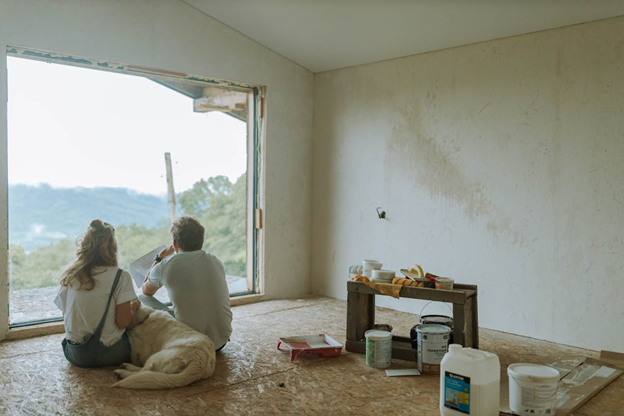
For South Jersey residents juggling work, family, and mental health challenges, getting timely behavioral health care can feel out of reach or hard to talk about. Meanwhile, the home environment impact shows up every day in sleep, stress levels, respiratory irritation, and the ability to reset after a tough moment, shaping physical well-being as much as mood. When support is delayed, costly, or complicated, it’s easy to feel stuck with the same triggers and discomforts at home. Practical renovations offer a within-your-control way to create surroundings that support steadier energy and a calmer baseline.
Understanding How Renovations Support Well-Being
Your home affects your body and brain through daily inputs like light, air, sound, and visual clutter. Natural lighting supports steadier sleep-wake rhythms and energy, while better ventilation lowers irritants that can worsen headaches, fatigue, or breathing issues. Wellness spaces and calming interior design reduce constant stimulation, giving your nervous system a chance to downshift.
This matters when counseling, evaluations, or family support take time to access. Small environmental improvements can make mornings smoother, tempers shorter, and evenings easier to recover from. A steadier baseline can also make coping skills and routines feel more doable.
Picture a caregiver working from home with a child who struggles after school. A brighter, well-aired living area and a quiet corner for decompression can prevent small stressors from stacking up. With that foundation, you can prioritize layouts, materials, storage, and noise control for daily stability.
Upgrade 4 Essentials: Layout, Materials, Storage, Quiet
Small, targeted renovations can make a home feel safer, easier to manage, and more restorative, especially when you’re working on recovery, focus, or steadier routines. Use these upgrades to support the lighting, ventilation, and calming design choices you’re already prioritizing.
- Map “easy paths” through your day: Walk your most common routine, wake up, bathroom, kitchen, out the door, and remove friction points. A functional home layout can be as simple as widening a walkway by moving a table, relocating a hamper, or creating a clear “drop zone” near the entry for keys, shoes, and bags. If you’re renovating, aim to reduce bottlenecks between kitchen, dining, and living areas so meals and transitions take less mental effort.
- Create one “reset corner” before you build a whole wellness room: Pick a 3×3-foot area and make it consistent: a chair, lamp, blanket, and a small surface for water or a journal. This supports the calming design and lighting strategies discussed earlier without requiring a full room makeover. Over time, you can expand that corner into a dedicated space for therapy homework, breathing practice, or family check-ins.
- Choose low-tox materials where you spend the most time: When replacing paint, flooring, or cabinets, ask for low-VOC or zero-VOC options and look for adhesives and sealants labeled low-emitting. This is especially helpful in bedrooms and kids’ spaces, where you want restorative living spaces that don’t add avoidable irritants to indoor air. Plan for ventilation during and after work, open windows when weather allows and run exhaust fans, so your air quality improvements stay on track.
- Use “one-step storage” to reduce overwhelm: Start with the fastest win, declutter and organize one high-traffic spot like the kitchen counter or the top of a dresser. Then add organized storage solutions that don’t require extra decisions: open bins for categories (mail, chargers, school papers), a lidded basket for “not sure yet,” and hooks at adult and kid height. The goal is fewer piles and fewer moments where you have to negotiate with clutter when you’re already tired.
- Build “quiet layers” to protect sleep and emotional regulation: Start with the simplest noise reduction techniques: door sweeps, weatherstripping, and rug pads to soften footsteps and echoes. If a room still feels loud, upgrade to solid-core doors for bedrooms or add acoustic panels on one shared wall, especially near TVs or gaming setups. For families, a quieter home can mean fewer conflicts and easier wind-down routines.
- Make a short priority list you can price out: Write your top three outcomes, better sleep, easier mornings, calmer shared spaces, then connect each to one upgrade (quiet door, entry drop zone, storage in the living room). This keeps spending focused, which matters when Americans have put serious money into remodeling, Americans spent roughly $603 billion on home remodeling projects in 2024. A clear list also helps you decide what’s DIY, what needs a contractor, and what materials or parts you’ll need to source.
Renovation Questions That Come Up Often
Q: What home renovation upgrades most effectively improve mental well-being and reduce stress?
A: Start with changes that support sleep and daily regulation: bedroom darkening shades, softer lighting, and a dedicated decompression nook. Low-VOC paint and easy-to-clean flooring can reduce irritants and mental load. If you are considering multiple projects, plan your renovation to connect each upgrade to one clear well-being goal.
Q: How can better ventilation and lighting in my home positively impact physical health?
A: Strong ventilation helps dilute moisture, odors, and airborne irritants, which can ease headaches and respiratory flare-ups. Practical next steps include servicing bath fans, adding a kitchen hood that vents outdoors, and using higher-MERV HVAC filters if your system supports them. For lighting, add brighter task lights in kitchens and bathrooms and use warm, dimmable bulbs in the evening to support wind-down.
Q: What are some budget-friendly ways to create a calming wellness space at home?
A: You do not need a full room; a consistent corner with a comfortable seat, a lamp, and a small surface can become a reliable reset spot. Choose one soothing cue, like a washable throw or a simple timer for breathing practice, and keep it set up. To avoid stalled projects, set a realistic budget before buying decor or materials.
Q: How can thoughtful storage and noise control renovations make my living environment more restorative?
A: When items have a clear home, families spend less energy searching, negotiating clutter, or feeling behind. Add closed storage near where the mess starts, like bins by the entry or drawer inserts in the kitchen, and label for quick resets. For noise, start with door sweeps, heavier curtains, and sealing gaps; if you upgrade walls or doors, price it out like any other health-focused investment.
Q: How can support from local behavioral health services in South Jersey help me prioritize home changes that promote well-being?
A: A therapist or family support provider can help you identify which triggers at home worsen stress, sleep, or conflict, then turn that into a short, doable renovation list. This can also reduce stigma by framing changes as practical supports, not personal failings, and it aligns with the return of $4 tied to better health and productivity when mental health needs are addressed. If a project involves plumbing, write down what is leaking or not functioning, take photos, and confirm exact sizes before purchasing parts from a plumbing supply source.
Finish-Strong Wellness Renovation Checklist
This quick checklist helps South Jersey families turn health goals into doable home projects you can track and finish. With home improvement spending surged by 81% in recent years, prioritizing high-impact upgrades can protect your budget while supporting accessible behavioral health care routines at home.
✔ Define one well-being goal per project
✔ Audit sleep supports with shades, quiet, and evening lighting
✔ Improve air quality with venting fans and appropriate HVAC filters
✔ Choose low-odor materials like low-VOC paint and easy-clean flooring
✔ Build a reset corner with a chair, lamp, and timer
✔ Reduce noise with seals, rugs, curtains, or acoustic panels
✔ Add closed, labeled storage at the entry and kitchen drop zones
Check off one upgrade this week, then celebrate the calmer routine it creates.
Build a Healthier Home by Starting With One Upgrade
When daily stress and physical discomfort follow you home, even small repair decisions can feel overwhelming or easy to postpone. A steady, checklist-based mindset, choosing changes that support light, air, comfort, and safety, keeps the focus on the benefits of health renovations instead of perfection. Over time, cost-effective home upgrades add up to a more restorative living environment and real confidence in home improvement. Small home changes can strengthen your health because your environment shapes your nervous system daily. Choose one proactive well-being strategy this week, like completing a single checklist item in one room, and schedule it. That momentum matters because a steadier home base supports resilience, sleep, and connection for the long haul.