
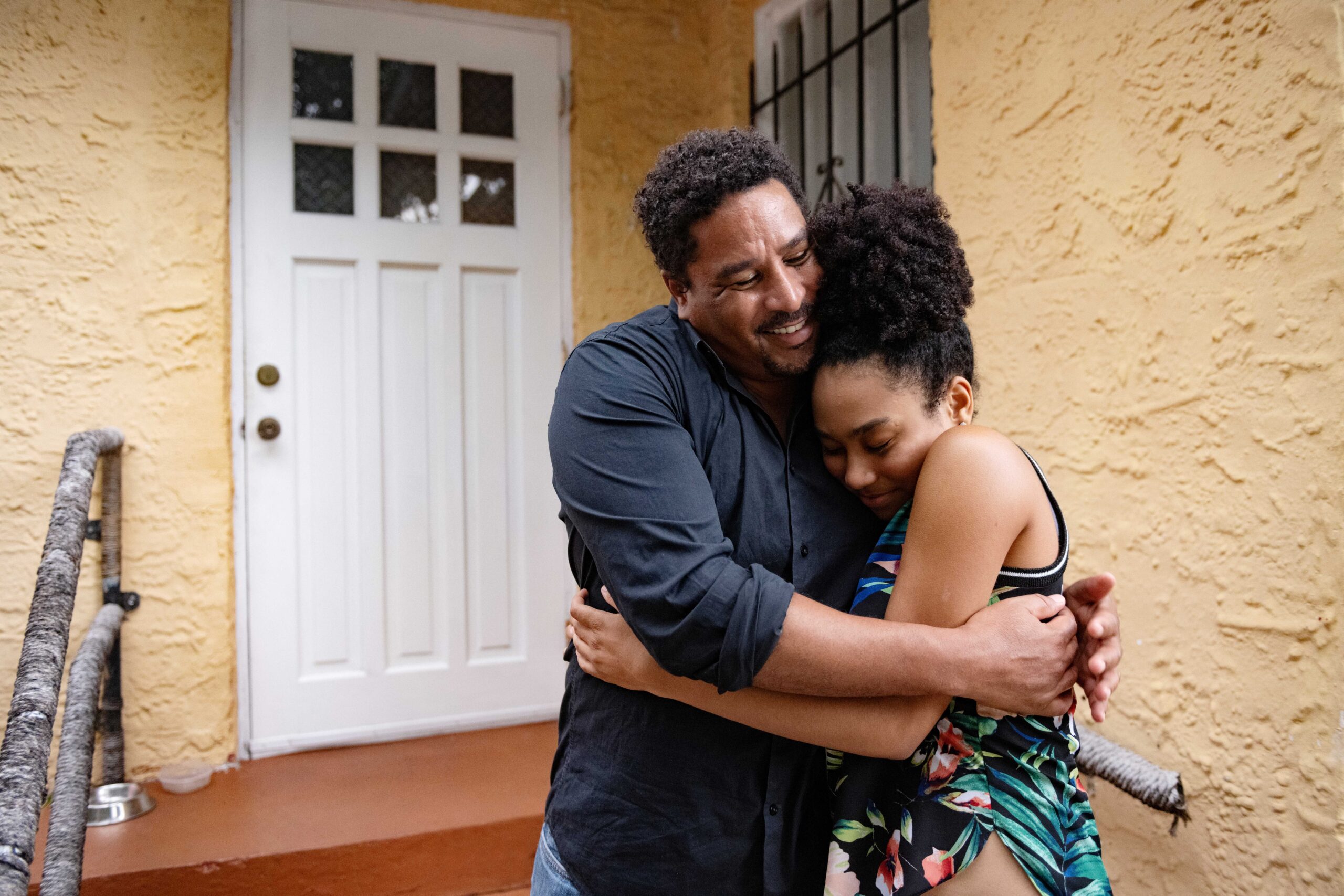
Every parent wants the best for their child—but sometimes, anxiety gets tangled up in love. The same protective instincts that keep children safe can, when unchecked, become a steady hum of worry that shapes a child’s world.
When fear becomes a family habit, children learn to see danger in places they should see possibility. Here’s how to recognize when your anxiety is quietly shaping your child’s wellbeing—and what to do about it.
Action Items
- Check for reflection: If your child mirrors your worries, there’s a signal.
- Watch your language: Kids adopt emotional tone from what they hear most.
- Model calm, not control: Teach coping, not caution.
Seek perspective: Therapy, mindfulness, or career adjustments can break cycles of stress.
Common Parental Anxiety Patterns and Their Child Impact
| Parental Behavior | Typical Child Response | Healthier Replacement |
|---|---|---|
| Over-explaining risks | Fear of trying new things | Set small, safe challenges |
| Constant checking-in | Separation anxiety | Gradual independence practice |
| Negative talk about future | Low self-esteem | Hope-based conversations |
| Avoidance of conflict | Emotional suppression | Teach problem-solving |
| Rigid routines | Stress from perfectionism | Flexible “good-enough” rules |
Quick Reality Check: Are You Passing On Your Worries?
Self-audit prompts:
- Do I often imagine worst-case scenarios around my child’s safety or success?
- Does my mood directly shape theirs? (Watch bedtime, homework, or public behavior moments.)
- Have teachers or friends mentioned my child “seems tense”?
- Do I avoid letting my child fail, even in small things?
- Do I apologize excessively when things go wrong?
If you tick three or more boxes, anxiety might be shaping your parenting pattern.
For some parents, online therapy through BetterHelp or mindful journaling apps like Aura Health can help you see these patterns more clearly and respond instead of react.
How to Ease the Cycle
- Name it out loud. Saying, “I’m feeling anxious about this” shows children emotions can be managed, not feared.
- Introduce small uncertainty. Let your child make minor choices and learn natural consequences.
- Anchor yourself. Exercise, journaling, or a five-minute daily walk can lower anxiety signals kids pick up. Apps such as Calm can guide you through breathing or grounding exercises when things feel overwhelming.
- Find support. Talking with a counselor helps you model help-seeking as strength, not weakness.
Reduce information overload. Endless scrolling on parenting forums or news feeds feeds fear. Replace doomscrolling with relaxing audio tools like SNOOZ to create a quiet end-of-day reset.
FAQ: Parental Anxiety and Children
My child seems calm, but I’m constantly nervous. Can they still feel it?
Yes. Kids often absorb emotional “climate,” even when words are calm. Emotional mirroring happens subconsciously.
How can I separate being protective from being anxious?
Ask: “Is this decision based on safety facts or imagined fears?” Writing fears down can clarify which is which. Tools like Headspace can help you notice when protective thoughts turn into anxious ones.
What if my anxiety is tied to work stress?
Work-related anxiety bleeds into family life more than we realize. Setting boundaries—like phone-free dinners or after-work rituals—helps draw a line.
When Your Job Fuels the Worry
If your workplace constantly pushes your stress levels up, that stress won’t stay at the office—it travels home. Parents who feel trapped in unhealthy work cycles can explore career shifts that support both peace of mind and family presence.
For example, if you work in nursing and want better working conditions, shifts, and pay, working toward earning a family nurse practitioner master’s degree can position you for a more hands-on approach and see improved pay and hours. Regardless of your career track, online degree programs make it easier to handle parenting and work duties more easily. You can explore the available degrees for FNPs to see options that align with family and emotional balance.
Product Spotlight
Closing Thought
Parental anxiety isn’t failure—it’s an overactive form of care. The trick isn’t to silence it, but to shape it into something children can learn resilience from. When you model calm exploration instead of guarded fear, you teach your child the most valuable lesson of all: the world is manageable, even when uncertain.